
Blog
Passage, Privacy, Dummy, or Keyed? Choosing the Right Door Hardware
November 6, 2026
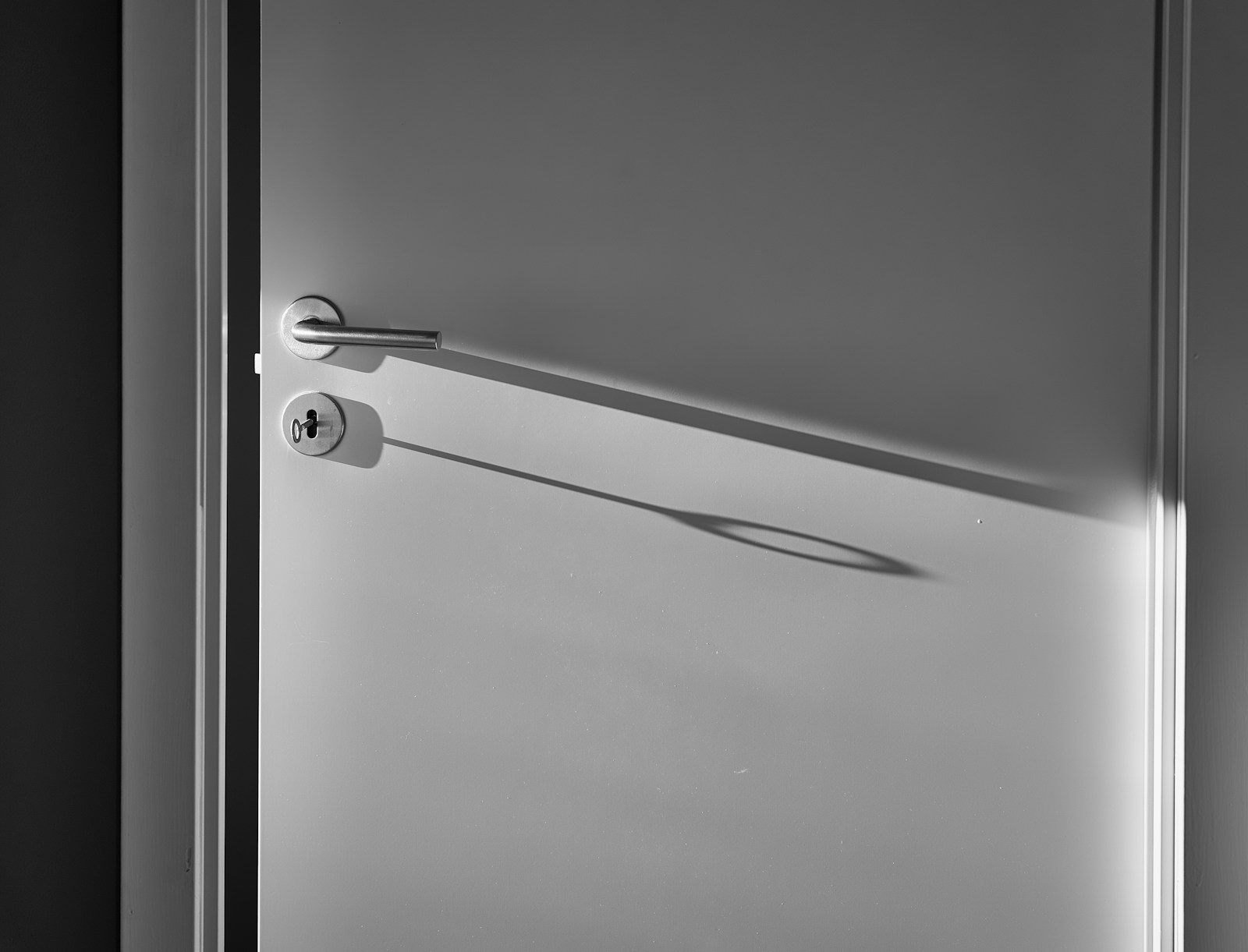
Two door levers can look exactly the same in a catalog—and do completely different jobs. One turns without locking. Another locks from inside. A third doesn’t turn at all.
Hardware manufacturers call these variations functions. Choosing the correct function is just as important as choosing the finish or style, whether you’re replacing one bathroom knob or selecting hardware for an entire house.
Passage: A working handle that doesn’t lock
Best for: Hallways, common rooms, and closets where you want the door to latch but don’t need a lock.
A passage knob or lever operates the latch when you turn or press it. The door can stay closed, but there’s no locking mechanism. It’s a straightforward choice for interior doors that people need to move through freely.
Watch for: A passage set is different from a dummy handle. If you need the handle to retract a latch, passage is usually the right function.
Privacy: Locking for bathrooms and bedrooms
Best for: Bathrooms, bedrooms, and other rooms where occupants need privacy rather than keyed security.
A privacy set operates the latch and can be locked from inside, typically with a push button or thumb turn. Many designs have an emergency-release feature on the outside so the door can be opened when necessary. The release method varies by manufacturer.
Privacy hardware is intended to provide privacy, not high-security access control. If you’re trying to keep a room locked when nobody is inside, ask about a keyed option instead.
Dummy: A handle that looks the part but doesn’t turn
Best for: Certain closet doors, decorative doors, and the inactive leaf of some double-door arrangements.
A dummy knob or lever is fixed in place. It doesn’t operate a latch, so the door needs another way to stay closed, such as a ball catch or an appropriate inactive-door latching arrangement.
Dummy trim may be sold as a single piece or a pair, depending on the manufacturer and the application.
Watch for: A beautiful dummy lever won’t retract an existing latch. Before ordering, confirm how your door actually opens and stays shut.
Keyed entry: When controlling access matters
Best for: Select home offices, storage rooms, and other spaces where a key-operated lock is appropriate.
Keyed-entry hardware generally uses a key from the outside, with the inside locking and unlocking method varying by model. It’s a different function from a bathroom-style privacy lock.
For exterior doors, commercial spaces, and doors on required exit routes, hardware selection also involves security, egress, accessibility, and sometimes fire-rating requirements. Have your contractor or qualified hardware specialist confirm the applicable specifications before ordering.
Five things to check before you order
- Does the door have a working latch? If turning the handle must retract a latch, you need operating hardware—not fixed dummy trim.
- Does the room need privacy or keyed security? A bedroom and a locked storage room may call for different functions.
- Is it a single door or a pair? Double doors can have an active leaf and an inactive leaf, and the two sides may need different hardware.
- What is the existing door preparation? Measure door thickness and backset, and note the holes and latch or lock case already in the door. Not every beautiful set fits every existing prep.
- Does handing matter? Some levers are reversible; others are made for a particular door swing or handing. Check the manufacturer’s requirements.
Pocket doors, barn doors, and other sliding-door systems usually need their own hardware styles and latching solutions rather than standard swinging-door levers.
Choose the function first, then the finish
Once you know what each door needs to do, the fun part begins: choosing knobs or levers that feel good in your hand and fit the look of your home. A passage lever and privacy lever can often share a coordinated design, even though their mechanisms differ.
If you’re still deciding on color and material, read our guide to choosing a hardware finish. And if you’re replacing existing hardware, our showroom visit checklist explains which photos and measurements are worth bringing.
At Mack Designer Hardware, our Burlington team can help you match the function, finish, handing, and door prep before you order. We work with homeowners, contractors, and architects on everything from a single replacement handle to complete door-hardware schedules.
Visit our showroom: 175 Bedford Street, Burlington, MA. No appointment needed. Call 781-552-3200 if you’d like help planning a larger project.